
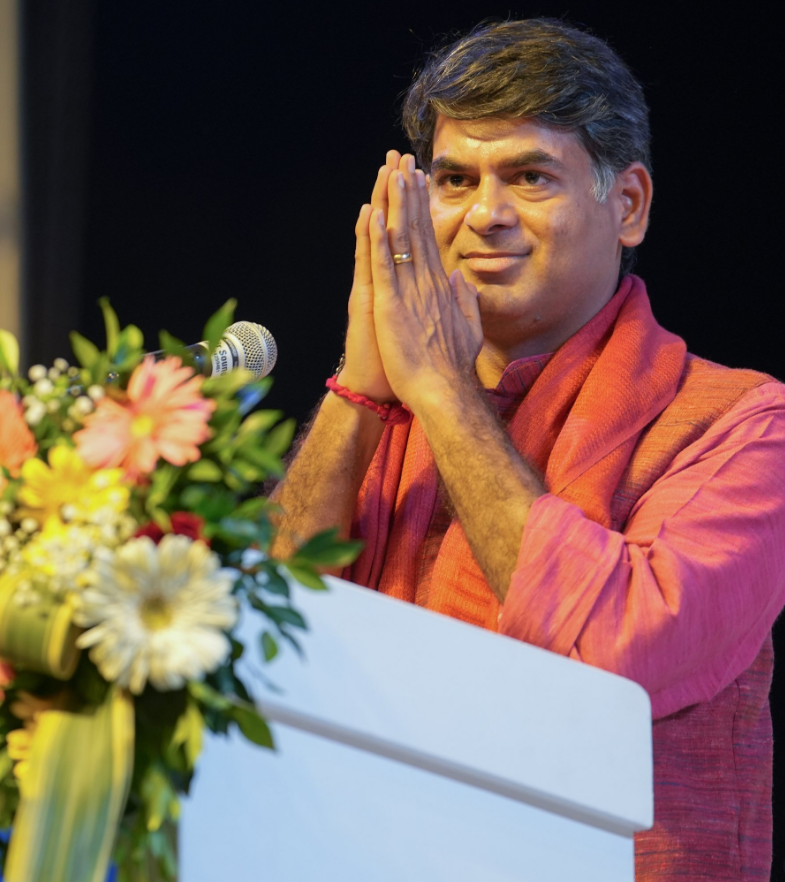
Saurabh Dwivedi, a self made journalist and one of the most recognizable faces of Hindi digital journalism has just put an end to an era when he decided to get out of Lallantop, the platform that he built and developed up until his feet. Saurabh was not merely an editor or host of a show to millions of viewers, he was the voice, vision, and conscience of Lallantop. His factual and empathetic interviews were quite serene and still biting, which reinvented how grave discussions might be conducted in Hindi on a digital platform. It was not so much of a resignation when it was announced that he had chosen to quit Lallantop and India Today Hindi after almost 12 years, but rather the end of a long consecutive in the history of Hindi journalism today.
The decision to leave a place that became his identity was a hard one, but Saurabh Dwivedi made it by the age of 41. He joined the India Today Group as a Features Editor in aajtak.in and his editorial instinct and knowledge of grassroots reporting helped him to climb the ladder within a short period of time. His greatest contribution was when he launched Lallantop, a radical experiment in digital, he wasn’t necessarily loud in the studio but he took the storytelling back to the heart of journalism. During his tenure, Lallantop became one of the most powerful Hindi online digital news outlets in India particularly among the youths who believed in the conversational tone and the fearless interviews featured on the site.
The resignation of Saurabh at the Lallantop show was officially announced by Kalli Purie, the Vice Chairperson of the India Today Group who admitted that he could not have done anything without him to take Hindi journalism to the mass using the digital media. When he resigned as Editor, the leadership of the platform was handed over to Kuldeep Mishra, and the production team was in the hands of Rajat Sain, the two founding members who had been in the close space with Saurabh in establishing Lallantop as a platform. However, even with the continuity of leadership, his departure created a visible gap, which highlights the extent to which he had influenced the identity of the platform.
Saurabh Dwivedi announced his exit by posting a note of thankfulness on social media, thanking Lallantop for all the recognition, lessons and encouragement he had had with him. His expressions were modest, nonjudgmental, and silent assurance when he said he was about to take a new trip. His message struck his audience very well, which supports the opinion that platforms might be maintained, but personalities such as Saurabh Dwivedi leave a legacy that is hard to duplicate. He left the Lallantop show not as a conclusion but a look back, one which promised transformation, development, and a new phase that was yet to be discovered.
Saurabh Dwivedi: The Journalist who transformed Digital Journalism.
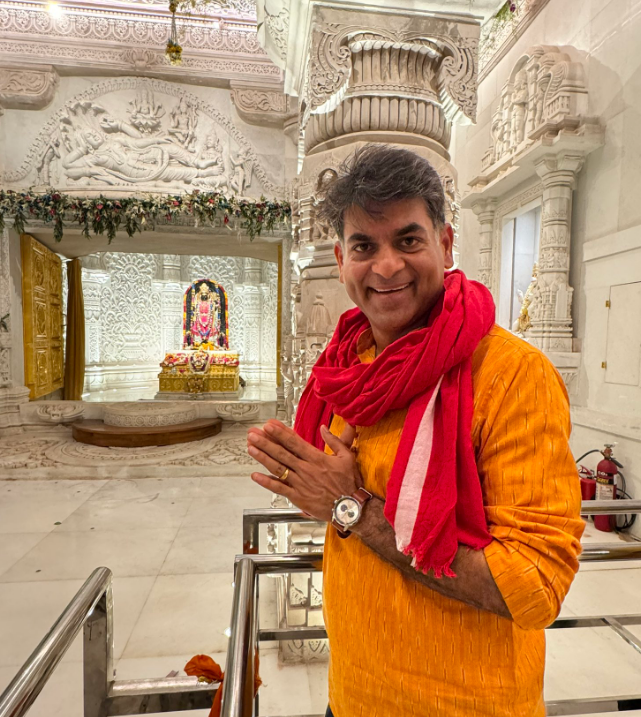
Saurabh Dwivedi (born 22 April 1983) is a Hindi journalist, editor and one of the most influential persons in the digital Hindi journalism. Dwivedi is mostly known as the creator of The Lallantop and the former editor of India Today Hindi, and has spent almost twenty years defining the political news, long form interviews and political discussion in India. His fact-driven, empathetic and understated interviewing style is also credited with the respect across ideological boundaries, which makes him a reliable source of information among millions of Hindi-speaking viewers.
When Saurabh Dwivedi resigned of the India Today Group in January 2026, nearly a dozen years after, a historic era of contemporary Hindi journalism had ended. His loss of The Lallantop, a platform that was now synonymous with his name, caused many debates within the media and social networking sites, a turning point not only to him, but also to Hindi online news as a whole.
Childhood: Childhood in Chamari, Uttar Pradesh.
Saurabh Dwivedi was born on 22 April 1983 in the district of Uttar Pradesh in the village of Chamari, the Jalaun district. The small-town setting brought him up in a close contact with the realities of the grassroots, local politics, social structures, and the daily challenges of ordinary citizens. This upbringing would later come to shape his journalism worldview and enabled him to appeal to a wide audience that was much more than that of metropolitan India.
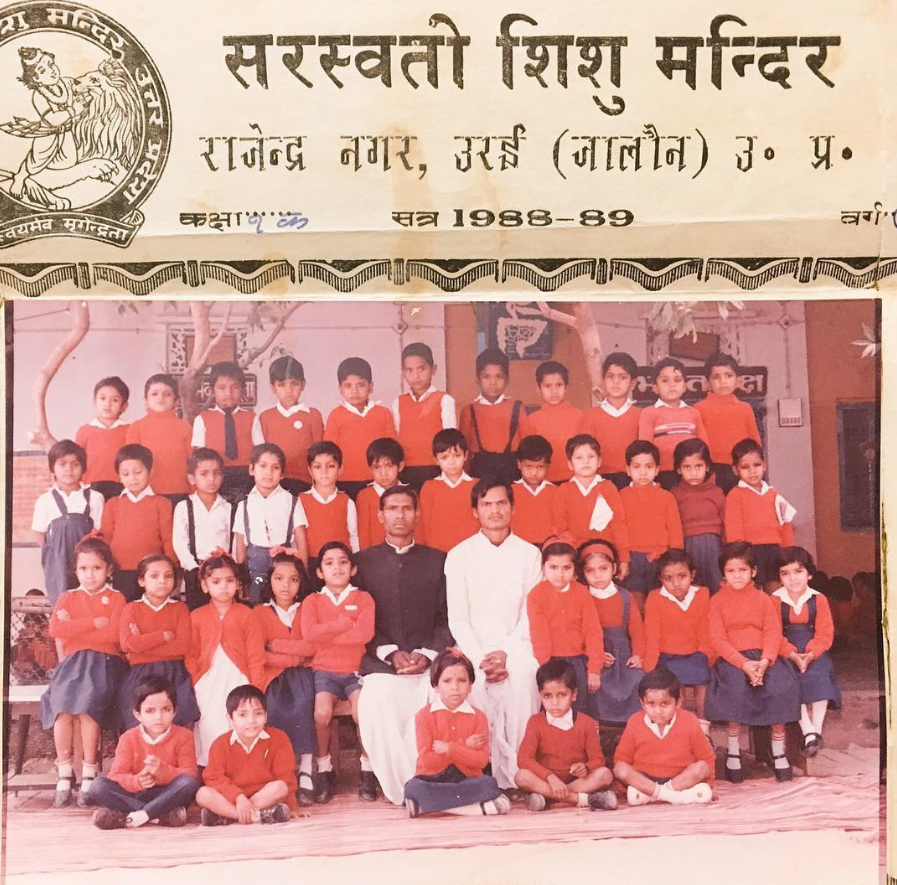
His early schooling was finished in Orai and Kanpur, and studied at Saraswati Shishu Mandir, Orai, Pandit Deen Dayal Upadhyaya Sanatan Dharma Vidyalaya, Kanpur, and Jugal Devi Saraswati Vidya Mandir, Kanpur. These years established a good background in Hindi language, discipline and reading-qualities which would later form the mainstay of his career.
Education: Mathematics to Hindi Literature and Journalism.
The intellectual interests and shifts in his academic path, rather than the linear career placement, are visible in the academic career of Saurabh Dwivedi. His undergraduate work was in Dayanand Vedic College (DVC), Orai, where he graduated with a degree in Mathematics. Nevertheless, his focus shifted more towards Hindi literature and writing as well as discussing issues despite having a science background.
This inspired him to go to Jawaharlal Nehru University (JNU), New Delhi which was one of the most renowned academic institutions in India. At JNU, he completed:
- MA in Hindi Literature (2006)
- MPhil in Hindi Literature, on the 1857 uprising.
- Started a doctoral degree, which he failed to finish.
Dwivedi also studied literature, and, in addition, trained as a professional journalist at the Indian Institute of Mass Communication (IIMC), Delhi, graduating with a Postgraduate Diploma in Mass Communication (2007). This two-facet academic base, literary profoundness and, in addition, professional media training, gave him an unusual competitive advantage in Indian journalism.
Inheriting the Media Industry: Early Career.
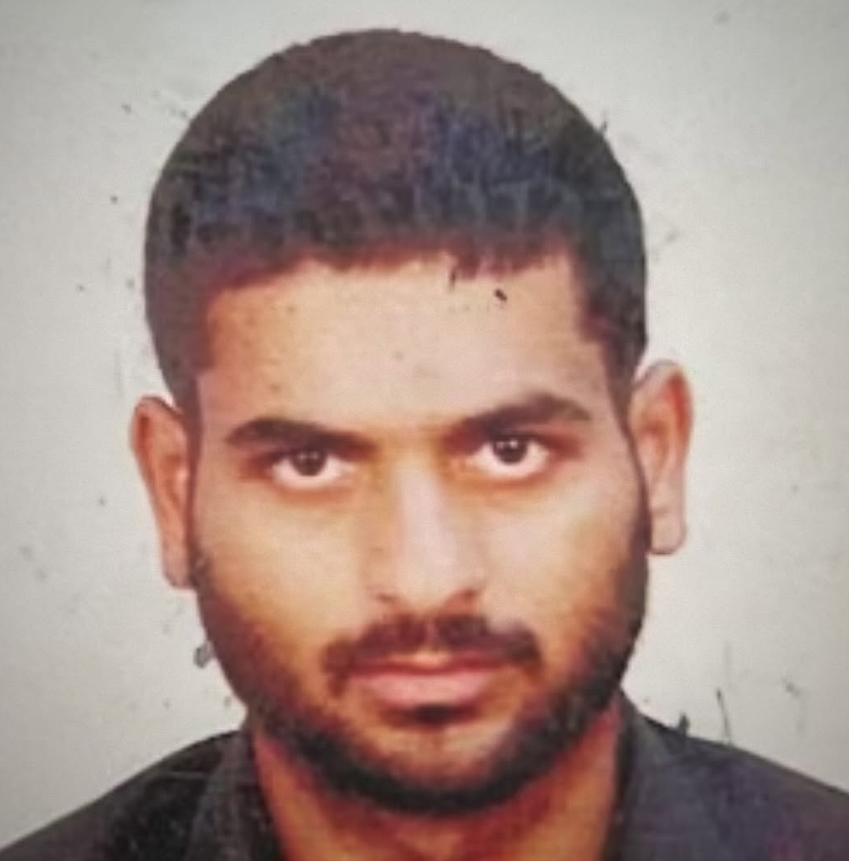
Saurabh Dwivedi joined Journalism in March 2007 as an intern of Star News. He briefly served with Live India News Channel as a reporter after his two months internship. Such early experiences were an introduction to television journalism and on-ground reporting, which allowed him to appreciate the pressure of the newsroom and editorial discipline.
He then moved to Times group where he served as senior copy editor-cum-correspondent in a period of more than 2 years. This step polished his writing, headline framing and news judgment. In September 2010, Dwivedi joined Dainik Bhaskar as the News Editor of the Ludhana edition, which he served until 2013. At this point, he was already respected as an editorial minded journalist with a good sense of editorial instincts and clarity.
This involvement into the India Today Group.
Saurabh Dwivedi was employed in the India Today Group in 2013 as a Senior Associate Editor. He has been a journalist in several platforms such as Aaj Tak, Tez, India Today, and aajtak.in. He also rose to fame in a relatively brief time due to his quality reporting and his capacity to explain issues that were both complex and political or social in an easy to understand and relate to approach.
It was the time when he became a recognisable public journalist after working as a newsroom editor. His assured, on-screen demeanor coupled with good preparation placed him above other film industry players who seemed to be employing more screaming matches and sensationalism.
Birth of The Lallantop: A Digital Media Breakthrough.
The pivotal point in Saurabh Dwivedi career was in 2016, when he established The Lallantop, a Hindi-only news website, which was part of the India Today group. The Lallantop was developed in a period where television news was getting more aggressive and thus it was based on the idea that it was a different approach to the news; more story-telling, more of a conversation, and more and more embedded in its context.
Dwivedi had a vision of a platform that would:
• Respect Hindi speaking audiences.
• Do not be sensational where it is unnecessary.
• Pay attention to story-telling, interviews, and lengthy discussions.
The Lallantop developed tremendously in the hands of his management; it turned out to be one of the most read Hindi online news sites in India. The channel has in the recent years gathered tens of millions of subscribers and billions of views, becoming a reference in digital journalism.
The Lallantop Shows and Editorial Style.
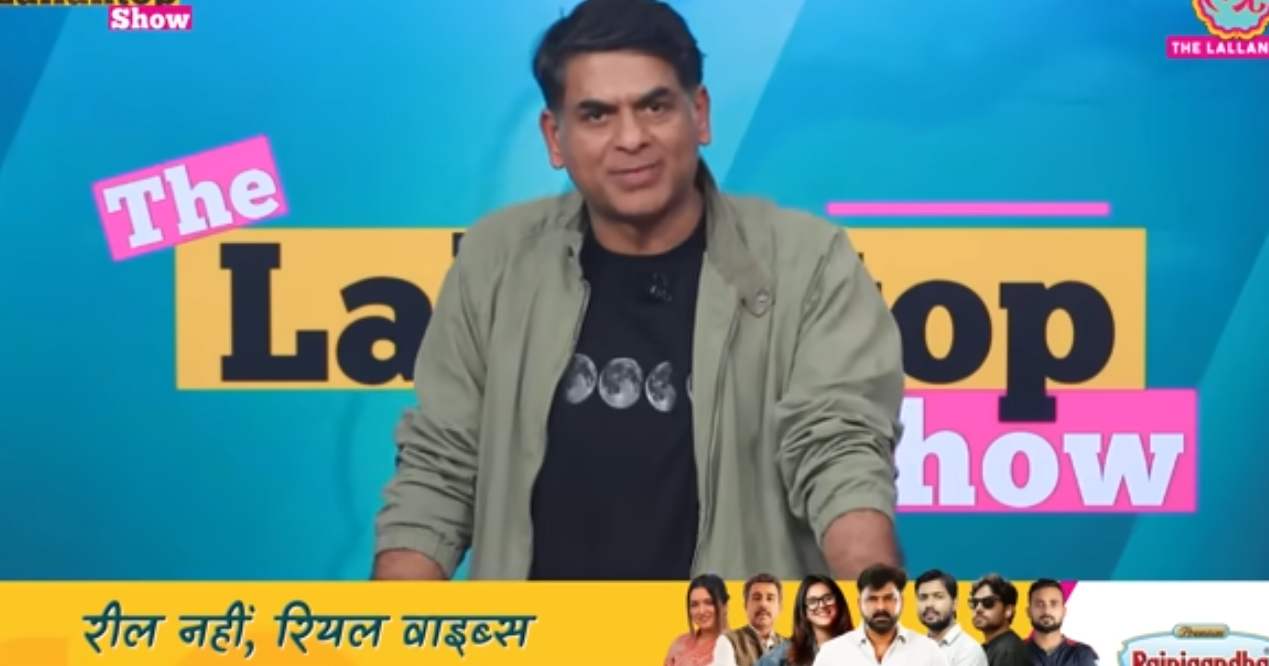
Some of the flagship programmes hosted and anchored by Saurabh Dwivedi included:
• The Lallantop Show
• Netanagri
• Duniyadaari
• Guest in the Newsroom
• Political Kisse
His method of interviewing proved to be his badge of honor, relaxed, tenacious, well-informed, and sympathetic. Instead of shouting at them, Dwivedi concentrated on posing multiple questions that needed answers (accountably) but not in an aggressive form. This practice gave him some credibility among politicians, people in power and audiences as well.
Political Interviews and Public Speech.
Dwivedi conducted interviews and dialogues with prominent political leaders, such as the Uttar Pradesh Chief Minister Yogi Adityanath, Akhilesh Yadav, Sanjay Singh and Raghuraj Pratap Singh (Raja Bhaiya). These discussions regularly achieved viral fame due to their rigor and simplicity, and provided an unusual combination of insight and prose to viewers.
In 2019, he was the guest on the Hafta 226 podcast of Newslaundry, where he talked about the Indian general election, media coverage, and voting trends. His involvement was an indication of his increasing prominence outside mainstream media.
In December 2025, Dwivedi chaired a popular discussion in New Delhi between the lyricist Javed Akhtar and the Islamic scholar Shamail Nadwi on whether God existed -an episode which demonstrated his skill in balancing and respecting sensitive ideological dialogues.
Television Presence and Culture.
Saurabh Dwivedi too has featured in non-news programming on mainstream television. In October 2019, he was a guest as a professional panelist on Kaun Banega Crorepati. In 2025, he was invited to The Great Indian Kapil Show (Season 3) as a guest with other journalists and digital media personalities, an indication of the increasing cultural impact of digital journalism.
Divestiture of Lallantop and India Today Group.
On January 2026, Saurabh Dwivedi left the India Today Group Digital to resign as founding editor of The Lallantop and editor of India Today Hindi after almost 12 years with the organisation.
He very soon departed after being harshly critical in his last broadcast on January 2, 2026 when he wrote about the Indore contaminated water crisis which had allegedly claimed the lives of at least 15 local residents and he was sharply critical of the BJP government of Madhya Pradesh. Later in this episode he has questioned the BCCI about how it handled a scandal around IPL where KKR team owner Shah Rukh Khan was involved with a Bangladeshi player.
No formal connection was proved, but the timing raised great police supposedly. Despite this, Dwivedi subsequently affirmed his resignation via social media, citing Urdu poet Nasir Kazmi and saying that he would take a study or leisure lock before determining his subsequent action.
The Last Lallantop Show.
The last episode of The Lallantop Show by Saurabh Dwivedi was not produced as an emotional goodbye but it turned out to be the most emotionally touching moment in Hindi journalism on the internet. The show did not begin with the news or even dramatic music but poetry, lines by Sarveshwar Dayal Saxena, lines that talked of possibilities overwhelming constraints. Dwivedi brought out the news of ending his long ride with The Lallantop Show in a calm, composed voice, saying that this would be the final time this show would be presented by him. It was devoid of melodrama, self-praise–.. simple sincerity. The phrase आज एक आखiree बaar sank in with such a heavy impact that it immediately turned a regular news bulletin into a historical event to those who had been watching him on television every night.
It was all that characterized journalism at Saurabh Dwivedi. The episode was flowing across such complicated international and domestic matters: the comments on India expressed by Donald Trump, the risk of a 500 percent tariff, Indian attitude to Venezuela in the interest of world politics, the logic of the Supreme Court decision to refuse the bail request to Umar Khalid and Sharjeel Imam, and the diplomatic relations between Bangladesh. Dwivedi did not scream, reprove or provoke. Rather, he put it into context, challenged it and clarified. His voice was moderated, critical and thoroughly based on constitutional principles. Even on his last show, he had not given in to the temptation to look back into himself; the emphasis remained squarely on the news and the right of the viewer to comprehend it well.
The end sequences were as subdued as the beginning. He ended by saying, आज का ललनटॉप शo यहीं पर समाप्त होता है, and signing off with a usual phrase of asking viewers to watch out and take care of themselves and those around them. No farewell was uttered directly, but it was clear that it was the final. Reflectively, the episode was symbolic–Saurabh Dwivedi resigning just the way he had served more than a decade; silently, intelligently and with honor. His farewell broadcast made no declaration of a conclusion; it was a legacy, in which journalism had been not about banging and shouting, but about belief, richness, and accountability.
Personal Life wife, family, background.
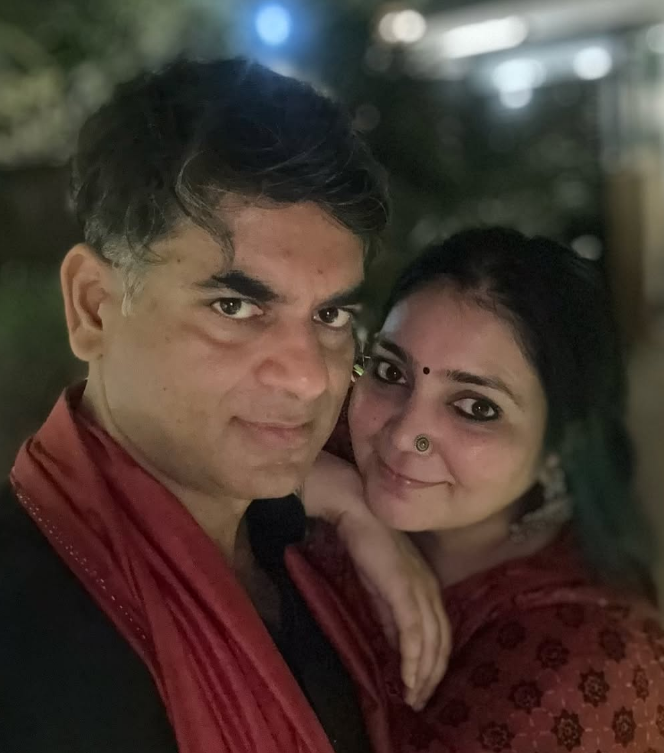
Saurabh Dwivedi is married to Gunjan Dwivedi whom he married in the year 2010 after finishing his studies. The daughter of the couple is called Gaura. Although he has always been present publicly, Dwivedi has always maintained his own life as a personal one and has preferred his work to speak volumes.
His grandfather, Mataprasad Dwivedi, was a member of the Indian National Congress and his father, Ravikant Dwivedi, a retired professor who has also haste two attempts at assembly election on a BJP ticket. His brother is an Infopark director, Jalaun, Abhay Dwivedi.
The Net Worth, Salary, and Earnings.
As per available estimates:
• Net Worth: ₹5–7 crore
• Net Worth (USD): $6–8 million
• Monthly Income: ₹10–15 lakh
• Salary Lallantop (approx.): 5-7 lakh monthly.
His income is mostly based on senior editorial jobs and journalism unlike brand endorsements.
Awards and Recognition
- Indian Journalism Award (2025) by Pallibani Mission
- Recognition by FIA New England (2025)
- Best Anchor on Digital News Channel (ENBA, 2019)
- Digipub Award (2017) for Political Kisse
Criticism.
Dwivedi has also been criticized on occasion on social media. In 2020, a sarcastic tweet about BJP fans backfired, and a public apology was made. In 2024, remarks made at the India Today Conclave regarding historian Vikram Sampath were met with criticism, following which he made a clarification and apology.
Saurabh Dwivedi can be explained by the fact that he transformed Hindi online journalism. He showed that good, serious, ethical, and intellectually honest journalism did not have to be noisy, sensational or loud. He also changed the way millions of people in Hindi take news by believing that his audience was smart.